
Destination Guide
River Cruises: Eat, Drink, & Explore
If you're dreaming of a simpler way to explore foreign destinations, a river cruise may be the answer.
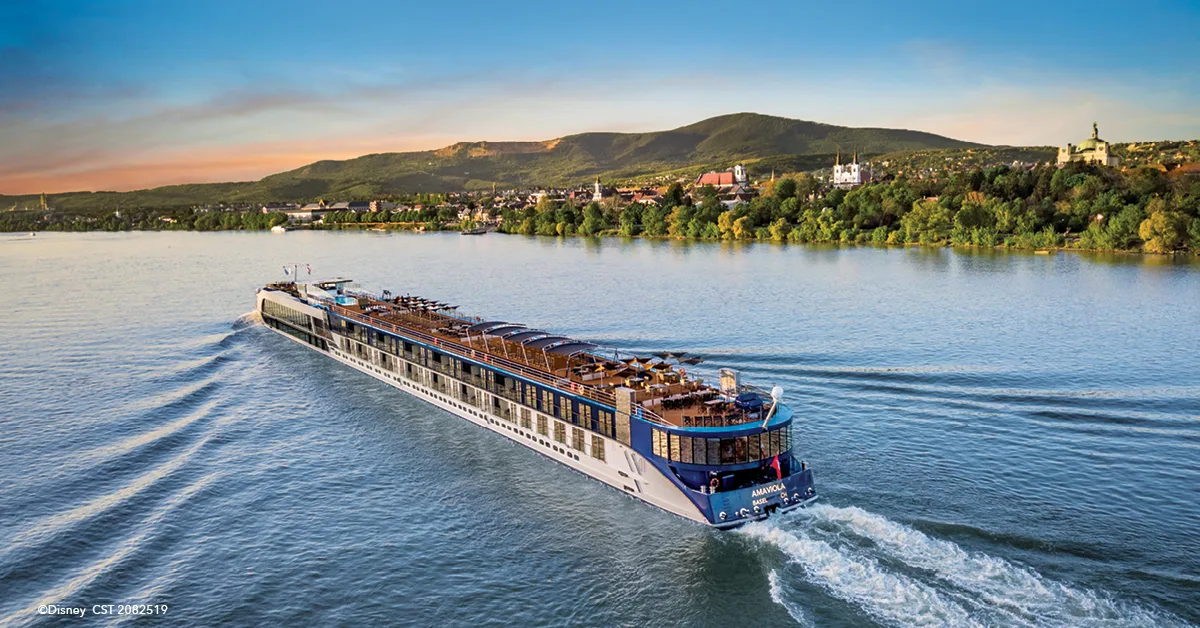
Imagine waking up in Vienna after spending the previous day exploring another city along the Danube. You pull back the curtains and find a completely different view outside your window, yet your suitcase is still unpacked in the same room and there's no train to catch or hotel to check into. While you were having dinner and sleeping, your ship continued down the river toward your next destination.
Rather than crossing large stretches of open ocean, river ships travel through the interior of a destination, following waterways that have connected cities, villages and cultures for centuries. Castles appear above the riverbanks, vineyards climb hillsides and church steeples rise over towns you may have never known existed. When the ship docks, you step ashore and become part of the scenery you've been watching pass outside your window.
For travelers who want to experience several destinations without spending a significant portion of their vacation packing, unpacking and moving between hotels, a river cruise offers a very different way to see the world.
This Isn't Your Typical Cruise
If your idea of cruising involves waterslides, casinos, enormous theaters and thousands of passengers, a river cruise may surprise you. River ships are considerably smaller because they have to navigate the rivers themselves, including bridges and locks along the way. Instead of sprawling decks filled with attractions, you'll generally find comfortable cabins, restaurants, lounges and outdoor spaces designed to give passengers somewhere to relax and enjoy the scenery.
The biggest difference, though, is the role the ship plays in your vacation. On many ocean cruises, the ship itself can be one of the main attractions. On a river cruise, the destination takes center stage. You're not necessarily choosing a Rhine cruise because you want to spend seven days onboard a particular ship; you're choosing it because you want to experience the cities, castles, vineyards and villages along the Rhine, and the ship provides a comfortable way to travel between them.
Even the time spent traveling becomes part of the experience. Instead of looking out across an uninterrupted ocean horizon, you might spend an afternoon watching German villages and vineyards pass outside your window or see a castle appear on a hillside as you round a bend in the river. In another part of the world, the scenery might include farms, mountains, temples or communities where people are simply going about their everyday lives along the riverbank. You aren't just traveling to the next destination; you're getting to see the landscape that connects them.
Europe's Rivers Tell Very Different Stories
Europe may be the destination most closely associated with river cruising, but choosing a European river isn't simply a matter of picking a route on a map. Each one travels through different regions and offers a noticeably different experience.
If the Europe in your imagination includes castles, medieval villages, vineyards and cathedral spires, the Rhine is a wonderful place to start. Itineraries can include destinations in the Netherlands, Germany, France and Switzerland, with routes that may connect the Amsterdam region with Basel. Along the way, historic cities and Gothic cathedrals are joined by smaller towns and stretches of river where castles overlook the water from the hillsides above.
The Danube offers a different side of Europe. Flowing through ten countries on its journey towards the Black Sea, it connects some of Central Europe's great capitals with smaller cities and communities along the way. Depending on the itinerary, you may visit Vienna, Budapest and Bratislava, along with destinations such as Passau, Regensburg or Belgrade. A day exploring Vienna's imperial history can be followed by another wandering through Budapest, while monasteries, vineyards, villages and countryside fill the spaces between them.
France provides several completely different river experiences of its own. A Seine cruise can pair Paris with towns and historic sites throughout Normandy, making it particularly interesting for travelers drawn to French history, culture or the D-Day region. The Rhône and Saône travel through areas associated with Burgundy and Provence, where cuisine, wine, historic towns and countryside become a larger part of the experience. Bordeaux-area river cruising brings you into one of the world's great wine regions, creating yet another way to experience France.
In Portugal, the Douro winds through a landscape of steep hillsides covered in vineyards. Many itineraries begin or end around Porto, giving you an opportunity to spend time in the city before or after sailing through the countryside, and some journeys may also venture into Spain. This is the kind of river where sitting outside, admiring the view, with nothing on your schedule can become a restorative experience.
Follow the River Beyond Europe
Europe may receive much of the attention, but river cruising extends well beyond it. The same basic style of travel can introduce you to destinations where the landscape, history and culture are completely different.
In Egypt, the Nile follows a waterway around which Egyptian civilization developed for thousands of years. Instead of medieval castles and European vineyards, you're traveling through landscapes connected to pharaohs, temples and some of the world's most extraordinary archaeological sites.Nile itineraries can incorporate destinations such as Luxor—no gambling involved—and Aswan, often as one part of a larger Egyptian vacation.
The Mekong offers another experience entirely. Cruises through portions of Vietnam and Cambodia can include villages, markets, historic sites and major cities, introducing travelers to communities where life has been connected to the river for generations. For someone interested in Southeast Asia but unsure how to comfortably connect several destinations, a river cruise can provide an interesting framework for the journey.
What Happens When You Reach Port?
River cruising isn't about seeing the world exclusively through your cabin window. The ship gets you to the destination, but once it docks, the experience moves ashore.
Depending on the cruise line and itinerary, your day might include walking through a historic city with a local guide, touring a castle, visiting a vineyard, cycling through the countryside, exploring a market, visiting a museum or touring an ancient temple. There may also be the option to skip an organized excursion altogether and spend some time exploring independently.
This is one of the reasons choosing the right cruise line matters almost as much as choosing the right river. Different companies approach excursions differently. Some include certain excursions in the cruise fare, while others may charge extra. Some offer several choices in the same destination, allowing one traveler to take a traditional walking tour while another chooses a hike, bike ride or independent afternoon.
Two ships can travel along very similar routes and still provide very different vacations. You're not only choosing where you want to go; you're also choosing how you want to experience it.
Experience a Destination Through Its Food
Food is one of the best ways to experience a culture, and river cruising provides plenty of opportunities to make it a part of the journey. Onboard dining may incorporate foods and flavors from the regions you're traveling through, while time ashore lets you experience them where they originated.
That might mean pastries in France, wine in the region where the grapes were grown, local dishes in Austria, Portuguese food in Porto or a visit to a market in Southeast Asia. Food isn't separate from the travel experience; it can tell you about a destination's climate, agriculture, traditions and history.
The Places You Didn't Know You Wanted to Visit
It's easy to scan an itinerary and immediately focus on the names you recognize. Paris, Vienna, Budapest and Amsterdam may be what initially catches your attention, but rivers don't only connect major cities.
They also pass through smaller communities that you may never have considered visiting on a traditional land vacation. It could be a medieval German town you'd never heard of, a small wine village, a riverside market, a monastery overlooking the Danube or a community along the Mekong. Those smaller stops offer another perspective on the country you're visiting and can provide a nice contrast to the busier capitals and famous attractions.
Sometimes the place you knew nothing about before your vacation becomes the place you can't stop talking about when you get home.
Who Is River Cruising For?
River cruising can be especially appealing for travelers who want to experience several destinations but don't enjoy the logistics of moving every few days. Once you're onboard, your accommodations travel with you, allowing you to spend less time worrying about transportation and more time experiencing the places you've traveled to see.
It can also make a wonderful couples vacation. Historic cities, wine regions, evenings overlooking the water and a slower pace between destinations lend themselves naturally to anniversaries and romantic getaways. Friends traveling together can benefit from having the same home base without having to spend every moment together; one couple might choose a walking tour while another goes cycling or explores independently, then everyone can meet back onboard for dinner and compare stories.
It's equally important to understand what river cruising isn't. If your favorite part of cruising is spending sea days enjoying giant waterparks, large-scale entertainment and dozens of activities onboard, a river ship probably isn't going to provide the same experience. But if the reason you're traveling is to explore the destination and you'd like a comfortable home base that moves with you, that's where river cruising becomes particularly appealing.
Make the Cruise Part of a Bigger Adventure
If you're already flying across the Atlantic—or halfway around the world—I wouldn't necessarily make the cruise your entire vacation.
If your Danube cruise begins in Budapest, consider arriving a few days early and giving yourself time to explore the city before boarding. If a Rhine itinerary ends near Amsterdam, stay awhile afterward. Add extra time in Paris to a Seine cruise or spend a few nights in Porto before sailing the Douro. If you're traveling all the way to Egypt or Southeast Asia, the cruise can become the centerpiece of a much larger international adventure.
Adding time before or after the cruise allows you to experience a destination at a different pace and gives you more flexibility to see places that aren't included in the sailing. It can also make the overall trip feel less like you're simply arriving for the cruise and more like the river journey is part of a larger experience.
Which River Is Calling Your Name?
There isn't one river cruise that's right for everyone, and that's exactly what makes them interesting. If your dream includes castles, vineyards and medieval European towns, start with the Rhine. If you want grand Central European capitals and several countries in one journey, explore the Danube. For France, Paris, Normandy and history, consider the Seine, while travelers drawn toward vineyards, Portugal and beautiful scenery may want to look at the Douro.
If ancient history and Egypt are what you've always wanted to experience, follow the Nile. And if you're drawn toward Vietnam, Cambodia and Southeast Asian culture, the Mekong offers something completely different.
Spend Less Time Packing and More Time Exploring
When it comes to travel, nobody dreams of spending their hard earned money just to end up wasting hours packing suitcases, checking in and out of hotels, or being endlessly stuck in traffic, and that is exactly what makes River Cruises such an appealing option.
You unpack your suitcase and settle into your room while the landscape changes around you. Castles appear on hillsides, cities rise along the riverbanks and vineyards stretch across the countryside. You spend your days exploring, return to the same familiar room in the evening and continue toward somewhere new.
If that sounds like your kind of adventure, I can help you compare river cruise lines, find an itinerary built around the places you want to experience and bring together the flights, hotels and extra time before or after your cruise.
Because choosing a river cruise isn't really about the ship. It's about taking the time to slow down and reconnect with yourself and the people around you.
And if that just happens to include a French pastry or two?
Even Better.
Dream. Pack. Go.